The Seat We Set Anyway: What a No-Show Really Costs a Twenty-Eight-Seat Room
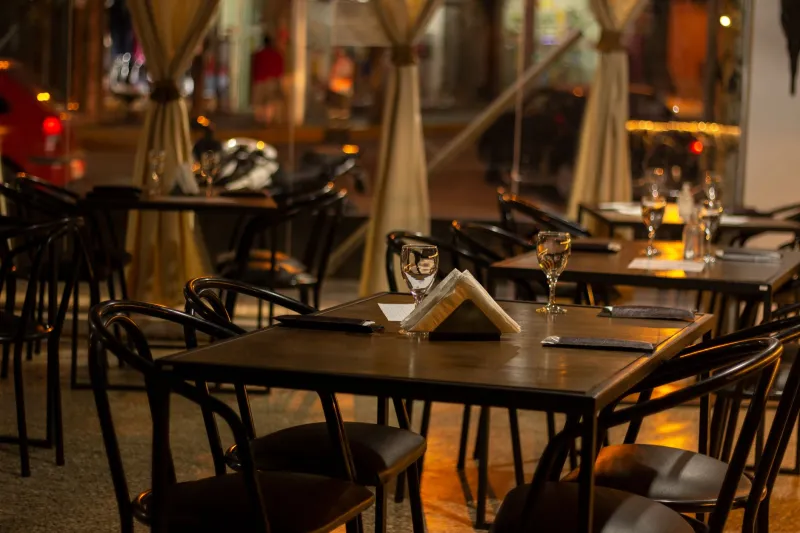
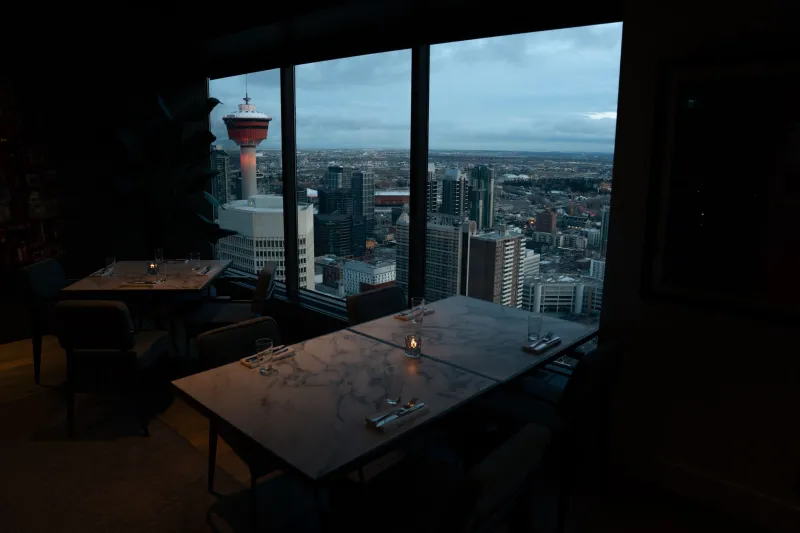
On a foggy Tuesday in November, our host stand has a problem that does not look like a problem. Two seats at 7:15 are still empty. The dining room is warm, the candles are lit, and the first courses are moving. But those two seats have already been counted, prepped for, and staffed around. In a twenty-eight-seat room, an empty chair is not invisible. It is a small accounting event with a very human face.
We talk about no-shows carefully because the easy version of this conversation turns guests into villains and restaurants into penalty boxes. That is not how a neighborhood room should work. But it is also not honest to pretend an empty table costs nothing. So here is the math, as plainly as we can put it, along with the ways we try to protect both our books and our welcome.
The ticket is written before you arrive
A reservation is not a promise to order a certain amount. It is a promise to occupy a seat during a window we have set aside. Long before 7:15, our kitchen has already made decisions around that promise. We have ordered from local farms and purveyors, often in quantities tied to the week's reservations. We have blanched, pickled, portioned, and stocked. We have scheduled a host, servers, a cook, and a dishwasher against a projected cover count.
If two guests do not arrive, we do not simply save two entrées. We lose the revenue those seats would have produced, and we still carry much of the cost of preparing for them. In a small room, a pair of no-shows can erase the night's modest margin. That is not drama. It is arithmetic. A dinner service is a perishable thing; the ingredients are seasonal, the labor is scheduled, and the evening does not roll over to tomorrow.
The waitlist has its own weather
The second cost is less visible. Someone wanted that table. On a busy night, our waitlist is not a hypothetical list; it is a chain of people rearranging their evenings. When a party no-shows, we often cannot fill the seats in time because we did not know soon enough. The kitchen has already paced its courses. The server has already been assigned. The ripple moves through the room: fewer covers, slower turning seats, and a host explaining to a walk-in that we cannot promise anything.
We do not expect guests to run our business for us. Life in San Francisco is unpredictable—fog delays, work runs long, a babysitter cancels. We get it. The goal is not to eliminate surprise. The goal is to shrink the gap between what we planned and what actually happens.
What we ask, and when
Our reservation policy is built around information, not punishment. For larger parties and a handful of high-demand slots, we use a refundable deposit or a card hold. It is not a cover charge. It is a way to say this seat is real and we are holding it for you. We send reminders at sensible intervals—several days out, the day before, and a few hours before—because a text is cheaper than an empty chair and kinder than a confrontation.
We also build in a grace period. If you are running late, call or reply to the reminder. We will hold the table while we can. Around the fifteen-minute mark, we start checking the waitlist and making decisions for the kitchen. By twenty minutes, we may need to release the seats. That is not us being rigid for sport. It is us trying to be fair to the people waiting and to the staff whose hours are already on the clock.
The grace period is a hospitality tool
A grace period is not a trap. It is a buffer that lets us be generous without being vague. If you tell us you are eight minutes away, we can often make it work. If we hear nothing, we have to guess, and guessing is expensive in a room this small. The same goes for cancellations. A cancellation with notice is a gift. It lets us call the next guest, rebalance prep, and avoid wasting food.
We would rather seat you than charge you. Every no-show fee we have ever applied has felt like a failure of the reservation, not a win for the restaurant. The fee offsets cost; it does not create a profit center. We would much rather have the guest at the table, eating the squash we drove back from the farm that morning.
The numbers we actually watch
We track no-show rates by night, party size, and weather. We watch late cancellations and waitlist conversion. We ask whether deposits are scaring off first-timers or doing their job for the parties most likely to disappear. The target is not zero no-shows. The target is fewer surprises, more room to be generous, and a reservation system that does not treat every guest like a risk.
That is the balance we keep chasing: a policy firm enough to protect a twenty-eight-seat room, soft enough that you still feel invited. The empty chair we budget for is not a punishment. It is a line item, a reminder, and a reason to pick up the phone when plans change.
If you have a table with us this week, thank you. Reply to the reminder. Tell us if you are running late. Cancel if you need to. We will keep the seat warm—but we cannot keep it empty forever.