The Four-Top We Hide From the Reservation Screen
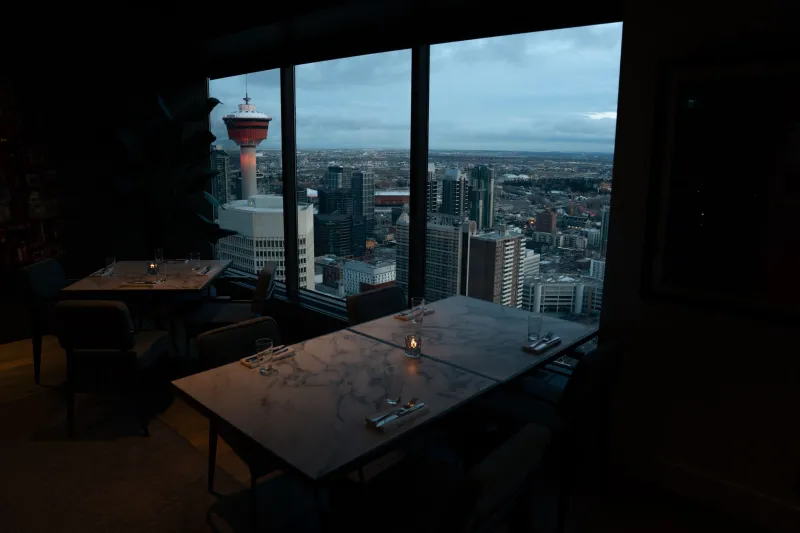
At 5:15 every afternoon, our host prints the reservation sheet and sets it by the door. The list is usually tight: early couples, a birthday party of six, a few regulars who book the same corner two weeks out. And then there is the blank line. A four-top by the window that does not exist on the screen. We do not sell it in advance. We hold it.
We have called it a few things over the years — the wildcard, the loose table, the one we keep off the books — but the idea is simple. One four-top stays out of the reservation system every night, held for walk-ins, neighborhood regulars, and the occasional party that could not plan ahead. It is not a secret VIP table. It is the opposite, really: a table for people who did not call.
The Table That Doesn’t Exist Online
On paper, this looks like a mistake. Restaurants run on reservations the way bakeries run on ovens. Every seat has a dollar value, and a table held off the system is a table not earning. In a small San Francisco dining room, where the rent is not sentimental and the margins are not generous, that matters.
But the blank line does a different kind of work. It gives the front door somewhere to put the people who show up without a plan: the neighbor who finally tried us on a Tuesday, the couple whose babysitter came through at the last minute, the line cook from another restaurant who got off early and wants a glass of something cold. It also gives our hosts permission to say yes without checking a screen and shaking their heads.
We hold the table until 7:15. After that, it joins the regular waitlist flow. On a busy Friday, it disappears in minutes. On a slow Wednesday in November, it might sit empty until close. Both outcomes are part of the deal.
The Math We Do in the Office
Let’s be honest about the money. A four-top with a normal check can represent a few hundred dollars in covers on a good night. If we hold that table and nobody takes it, we feel it. We track it, too. We are not running a charity with a wine list; we are running a restaurant with a small hole in the spreadsheet.
What makes the hole worth it is that it is not only a hole. The held table absorbs the tiny disasters that reservations create: the party running twenty minutes late, the no-show that would otherwise leave a visible gap in the room, the walk-in group that would have been turned away and never tried again. It also gives us a cushion against the no-show math that every small restaurant knows too well. A reservation is a promise, but promises wobble. The walk-in table is a promise we make to the room instead of the screen.
Some weeks the table earns its keep. A group of three sits down at 7:05, orders slowly, shares a bottle, and asks for the name of the farm where the greens came from. Some weeks it does not. We look at the numbers monthly. If the blank line stops making sense, we will change it. For now, it stays.
What It Does to the Kitchen
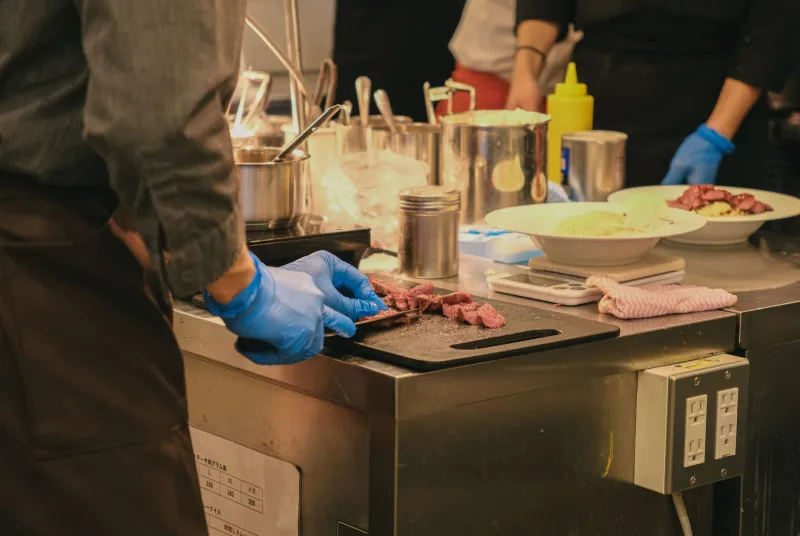
One table does not rewrite a kitchen’s whole night, but it changes the rhythm. Reservations tend to arrive in waves: six tables at 7:00, four at 7:30, a lull, then a late push. A held four-top introduces a small, useful unknown. The kitchen cannot fully predict the ticket, so it keeps a little more flexibility in the prep. A sauce gets stretched. A seasonal side gets a second life. The expeditor learns to leave a little breathing room in the pass instead of treating every minute like a locked grid.
That flexibility is not romantic. It is practical. A restaurant that is 100 percent booked can feel efficient from the outside and brittle on the inside. One table held back is a pressure valve. It lets the room absorb a late walk-in without turning the host into a bouncer and the kitchen into a traffic jam. It is a small vote for the idea that dinner is still a live event, not just a scheduled transaction.
The Front-of-House Gets to Say Yes
Ask anyone who has worked a host stand: the hardest sentence in the building is not “we’re full.” It is “we’re full, and I know there is a table sitting right there.” The held four-top gives our hosts a different script. They can look at the room, make a judgment call, and seat someone who would otherwise walk away.
That does something for morale. Hosts are not just gatekeepers copy-pasting availability. They are part of the hospitality. They can read the couple with the suitcase who just got off Muni, the father and daughter who booked nothing but clearly need a good meal, the regular who brought his out-of-town cousin because he has been telling him about our roasted squash since October. Those are not marketing moments. They are the reason many of us work in restaurants.
The table also gives the room a little texture. A dining room made entirely of reservations can feel like a spreadsheet with chairs. A dining room with one unplanned four-top feels like a neighborhood place that still leaves the porch light on.
The Cost of Chance
We should not pretend this is free. The table is a bet, and some nights we lose it. An empty four-top at 9:00 is not a charming story; it is four covers we did not sell. On a rainy Tuesday, with fog pressing against the windows and the phone quiet, that empty table can feel less like hospitality and more like a stubborn habit.
But restaurants are full of stubborn habits that pay off in ways the spreadsheet cannot quite capture. The walk-in who becomes a regular. The neighbor who books her birthday party six months later. The visiting cook who tells a friend. The couple who came in with no plan and left with a favorite place. Those returns are slow and hard to measure, which is exactly why they are easy to ignore.
We keep the table because it keeps us honest about what a restaurant is. It is a business, yes. It is also a room full of chances. A held four-top is our way of saving one of those chances for someone who did not think to reserve it.
What It Feels Like at 7:05
By 7:05, the candle is lit, the water glasses are turned down, and the host is watching the door. The table sits there like an open question. Maybe a party of four will walk in from the cold. Maybe a couple will take it and spread out. Maybe nobody will, and the room will carry on around that empty square of wood.
Either way, the table is doing its job. It is reminding us that a reservation list is not the same thing as a dining room, and that not every good night can be planned in advance. At Dandelion, we hold one table off the screen every night. It is the smallest, strangest, most San Francisco kind of luxury: a little room left for chance.