Fourteen Drafts, One Menu: What We Learned Rewriting the Page
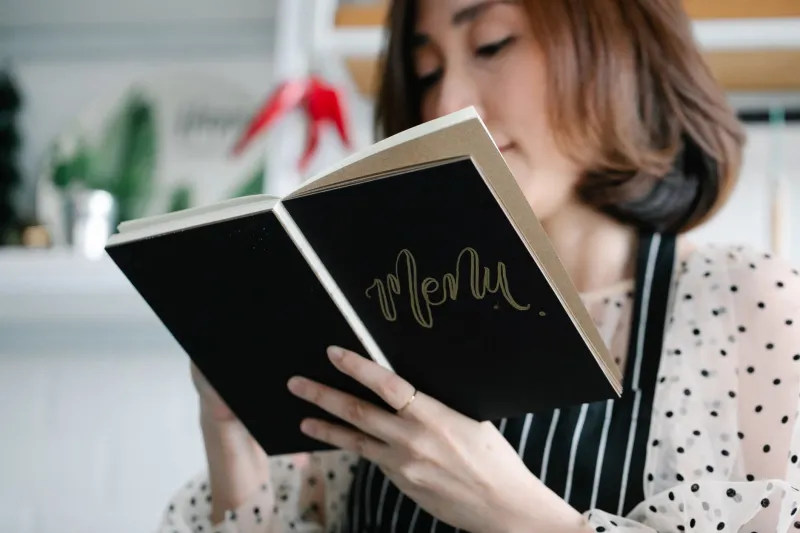
At Dandelion, the menu is never really finished. It gets printed, tucked into folders, and sent to the floor, but the kitchen keeps editing it in the margins of service. In 2026 alone, we rewrote ours fourteen times. Not because the food changed fourteen times—though some dishes did—but because the words kept failing the plates. A menu is the first thing guests read and the last thing the kitchen edits. Getting it right is less about poetry than about removing fog.
Draft One Was a Poem. That Was the Problem.
We began with lines like “autumn arriving in a bowl” and “a quiet study in char.” They felt beautiful in the office. On the floor, they created homework for servers. Guests wanted to know what was in the bowl. Fair enough.
We learned that sensory language needs an anchor: a noun, a cooking method, a farm, a texture. “Charred cabbage, dandelion-root miso, toasted barley” does more work than “a meditation on decay.” The poetry can live in the rhythm of the line, not in the mystery. A guest should be able to imagine dinner before it arrives, not solve it.
The Words That Filled Seats
Concrete verbs sold. Charred, shaved, cured, grilled over oak, folded into. Guests ordered “sourdough griddled in brown butter” faster than “our take on toast.” Specific sourcing helped when it was true: “Little Gem lettuce from a farm in Watsonville” beat “local greens” every time. So did honest portion cues. When we wrote “enough for two if you also order a vegetable,” orders got more accurate and waste went down. People appreciate being told what they are getting.
We also noticed that the first three words of a description carried most of the weight. If those words were vague—house favorite, seasonal inspiration, chef’s selection—the rest of the line had to fight for attention. If those words were concrete—grilled squid, black cod, roasted Delicata squash—the dish did the selling on its own.
The Words That Backfired
Some vocabulary is tired. “Artisanal” made guests squint. “Elevated” made them brace for a small portion and a large check. “Seasonal” is fine once, but repeated six times it becomes wallpaper. “Local” without a name is a promise with no address.
We retired “crispy” from three dishes in one section. When everything is crispy, nothing is. “Deconstructed” reads as a warning. “Chef’s whim” reads as a gamble. And “market price”—even when accurate—created a tiny pause at the table. That pause is not hospitality. It is a question guests should not have to ask.
Price Is Part of the Sentence
We tried hiding prices in a separate column. We tried a QR code. We tried a line that said prices were available upon request, which was technically true and practically awkward. Guests want the number. Hiding it does not make dinner more romantic; it makes the bill a surprise.
So we put the price in the same breath as the dish and wrote descriptions that earn it without begging. “Three-day marinade” is useful only if the guest can taste the three days. “Dry-aged duck breast, burnt honey, chicories — $38” is clear. It does not apologize. It does not shout. It invites.
The same goes for sourcing claims. If we write “farmers market,” we name the market. If we write “house-made,” it is because someone in our kitchen made it that morning, not because it sounded good in a draft. Trust is a menu ingredient too, and it does not improvise well.
Read It at the Pass
The best edit happened out loud. We printed a draft and had the line cooks read it during prep. If a cook stumbled over a phrase, guests would too. If a server had to explain a description twice, it was not a description; it was a riddle.
We started asking the floor one question each week: Which dish gets the most questions? Then we rewrote that line. The menu got shorter. The descriptions got warmer. The selling got easier because we stopped selling. A menu should read like an invitation, not a pitch—warm, specific, and confident enough to leave a little space for appetite.
What We Keep
Fourteen drafts taught us a few rules. Lead with the ingredient. Use one sensory detail, not four. Name the farm when you can. Put the price where the eye can find it. Write for the guest who is hungry, curious, and maybe a little rushed.
A menu is a piece of hospitality before it is a piece of writing. It should sound like the kitchen talking—not a brochure, not a poem with prices. Though if a line or two happens to sing, we will take it. We just will not make guests guess the tune.
You can see the current menu—and book a table—at dandelionsf.com.