What the Kitchen Eats Before You Arrive
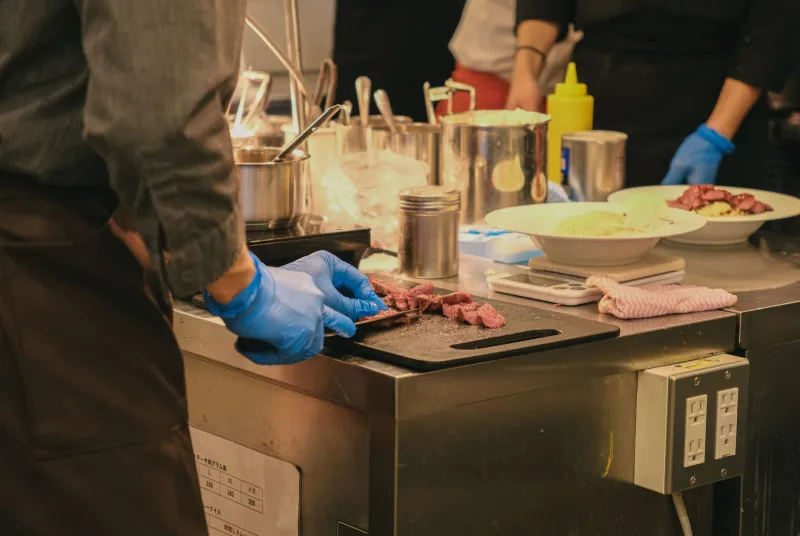
At 4:45 p.m. on a Friday in November 2026, the dining room at Dandelion SF is doing that peculiar kind of nothing that comes right before service. Chairs are down. Candles are not lit yet. The reservation board is full for two seatings, and the kitchen is scraping the last of the afternoon prep off the cutting boards. Then someone calls staff meal, and the room in back gets loud in a different way.
There is no printed menu for this meal. No ticket. No photo for the grid. It is the only meal we serve that has no guests, no check average, and no reservation notes attached to it. It is also probably the most useful thing we cook all day.
The 4:45 Rule
Staff meal starts when prep ends and service begins. It is not exactly a break. It is a handoff. Cooks who have been trimming fennel and picking herbs sit down with dishwashers, servers, hosts, and whoever else can grab a plate for ten minutes. The rule is simple: eat standing if you must, but eat together. We do not schedule a tasting. We schedule a meal.
That distinction matters. A tasting is a performance for the chef. A staff meal is a conversation. By the time the first guests arrive, the kitchen has already heard what is working and what is not. The feedback is immediate, unfiltered, and usually delivered with a mouth full of bread.
Trim Is a Language
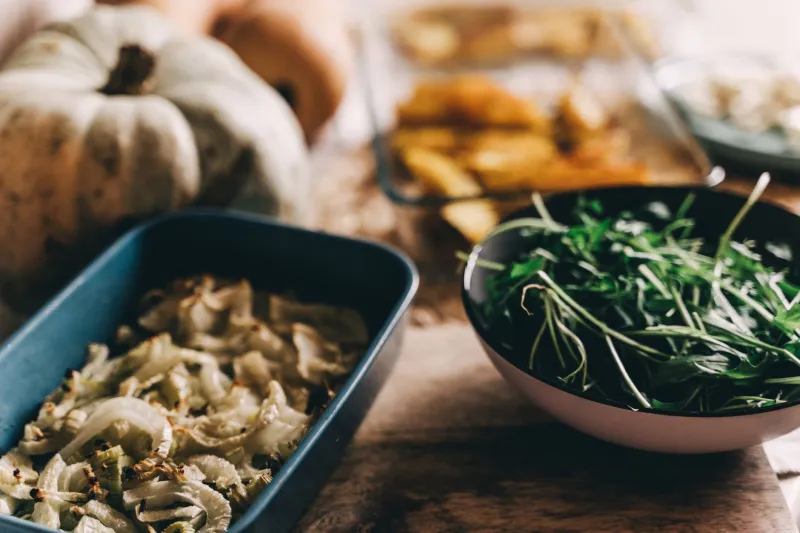
Our staff meal begins with the parts of the vegetable that do not make it to the plate. Fennel fronds. Leek tops. Chard stems. Squash peels. The tough outer leaves of chicories. In a lot of kitchens, that is waste. Here, it is the first draft.
In November, that means chicory cores roasted until sweet and tossed with bread ends and a sharp vinaigrette. It means leek tops simmered into a broth that tastes like the farm box smelled when it arrived. It means squash seeds toasted with too much salt and passed around in a small bowl while the soup comes together.
The meal is not built to be balanced in a cookbook sense. It is built to be eaten quickly and honestly. If the trim tastes bitter or flat, we know before a guest does. If a new oil is too loud or a vinegar is too aggressive, the staff meal tells us. The kitchen has a low tolerance for excuses when the plates are being passed family-style.
A Farm Box With No Instructions
One of the joys and irritations of local sourcing is that the box does not care about your menu. A grower sends what is ready, not what is convenient. You can force it into a dish or you can let it teach you something. Staff meal is where that lesson happens.
On a gray November Tuesday, a box of tiny turnips and bruised pears became a soup with toasted bread and a spoonful of dandelion pesto. Nobody wrote it down. A week later, a version appeared as an appetizer special. That is not a coincidence. It is how the menu stays seasonal without becoming rigid.
We keep reservation notes in mind, of course. The guest menu has to work for birthdays, anniversaries, dietary needs, and the couple who booked the corner table three weeks ago. But staff meal has no dietary matrix, no ticket times, no service standards. It just has hunger and curiosity. That is a useful combination.
The Test Kitchen With No Guests
There is a myth that restaurant menus are born in quiet tastings with matching spoons and a notebook. More often, they are born at 4:45 with somebody saying, This needs acid, and someone else reaching for the last lemon.
Because staff meal is unplanned, it is also low-stakes. We can fail. A pot of beans can be too salty. A sauce can break. Nobody sends it back. The next day we adjust. That freedom is why the staff meal often produces the best ideas: a charred cabbage salad, a dandelion-green salsa, a brown-butter buckle made from pears that were too soft to slice.
The guest menu gets the polished version. The staff meal gets the truth.
Waste Is a Prep Problem
The holiday season in San Francisco is a special kind of pressure. Reservations for holiday parties and long-awaited dinners start stacking up in November 2026, and prep lists get longer. It is tempting to treat trim as trash when the ticket rail is full.
But the staff meal keeps us honest. If we are throwing away edible food, we are also throwing away time, money, and flavor. The 4:45 table turns those scraps into a checklist: what did we over-order, what did we prep too far ahead, what did the farm send that we ignored?
It is not a perfect system. Some days staff meal is toast and eggs. Some days it is a beautiful pot of beans with whatever herbs survived the walk-in. The point is not romance. The point is feedback. Waste is a prep problem, and prep is where a restaurant either respects its ingredients or does not.
What Ends Up on Your Plate
Guests rarely see this meal. But they eat its consequences. The squash on your plate may have been tested in a staff meal first. The vinegar in your dressing may have been too aggressive at 4:45 and just right by 6. The reservation you booked weeks ago may be sitting in a dining room that is calmer because the kitchen already ate.
That is the quiet contract of a neighborhood restaurant. You get the seasonal menu, the local sourcing, the room with the fog at the window. We get a family meal before service. It is not on the menu. It is the reason the menu works.
If you are joining us this month, book the table. We will do the rest. And if you peek toward the kitchen and see someone eating standing up, do not worry. That is just the test kitchen, running on time.