The Crab-Shaped Hole We Refuse to Fill With Anything Else
On the morning of November 9, 2026, our menu still has a hole in it. It sits between the chicories and the black cod, a clean white space where a crab dish should be. Guests sometimes assume it’s a design choice. It is, but not the kind you can print.
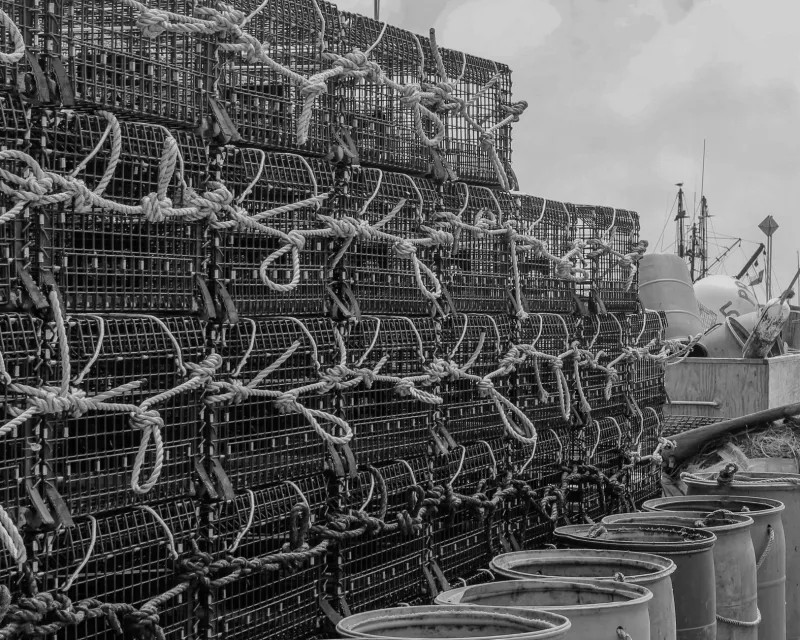
Dungeness crab season is never a guarantee. The commercial opener can move with weather, quota decisions, meat quality, and the state’s management of whale entanglement risk. Even when the calendar says mid-November, the boats don’t necessarily say yes. So we leave the line blank until the first local catch is real, inspected, and on the dock. We would rather serve a menu with a visible absence than a dish with a borrowed story.
A Season Held Together by Phone Calls
Our mornings right now start with a small, unglamorous ritual: coffee, a notebook, and a round of calls. One to the fish seller who knows which boats are fueling up. One to a contact down the coast who hears things before the rest of us do. One to the kitchen, where the prep list has been written in pencil for a week.
None of those calls produces a promise. That’s the point. The local crab supply is not a faucet. It’s a chain of small decisions made by people who work in weather, not in reservations software. A boat may go out and come back light. A test may come back clean, then another set of samples may need checking. A price negotiation at the dock can stall a trip that looked certain the night before.
We plan around that uncertainty instead of pretending it away. The menu copy stays flexible. The printer gets a file with a placeholder. The line cook who would break down crab knows the drill: wait for the call, then move fast.
The Backup Dishes Are Real
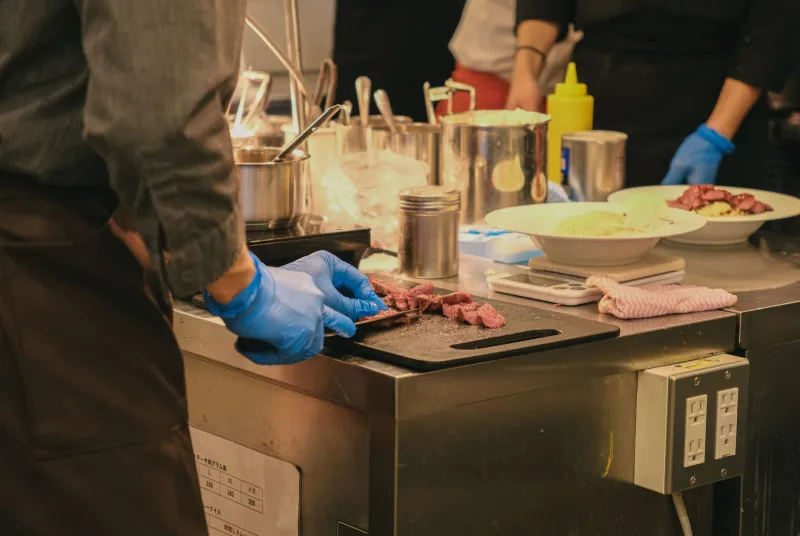
A blank line on the menu does not mean an empty kitchen. It means the kitchen is holding two realities at once. If crab arrives, we’re ready. If it doesn’t, we’re still serving a November table that makes sense.
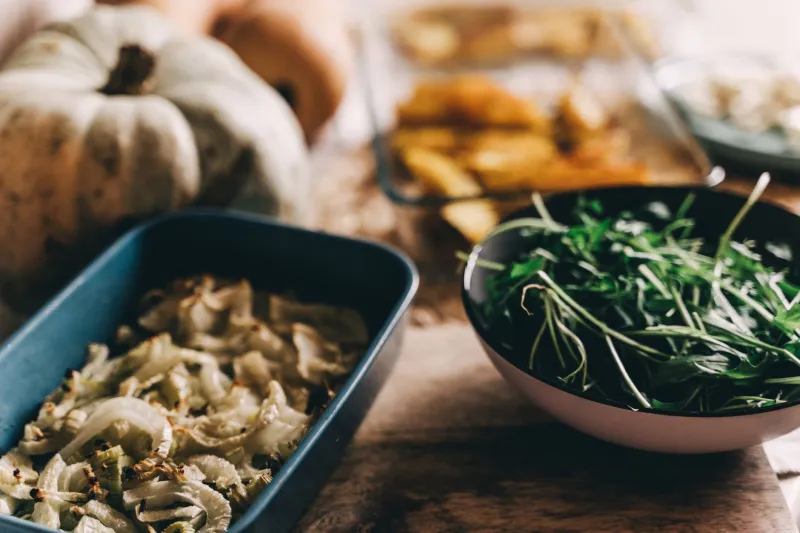
That’s why the backup dishes get the same care as the crab. There is a black cod with roasted chicories and a bright, slightly bitter citrus dressing. There is a mushroom dish with brown butter and thyme that tastes like the fog burning off by noon. There is a squash plate that has been on the menu long enough to have regulars, and a bowl of beans that quietly does the work of making people feel fed.
These are not consolation prizes. They are the reason we can wait. A restaurant that has nothing to serve while it waits for one ingredient is not being principled; it’s being unprepared. We want the blank line to feel like restraint, not scarcity.
What We Tell the Reservation Book
Our reservation system has a note field, and lately it has been earning its keep. Guests ask, reasonably, whether crab will be available for their anniversary dinner. We tell them the truth: we hope so, we’re watching the docks, and we won’t know until closer to the day.
We also hold back a small number of seats for what we call crab nights—the first few services after the local catch lands. Those seats aren’t a marketing gimmick. They’re a practical buffer. If the opener slides by a week, we don’t want a dining room full of people who came for one dish and got an apology. If the crab comes in early, we want enough flexibility to put it on the menu without turning the reservation book into a puzzle.
This is the unromantic side of seasonal cooking. It looks like spreadsheets, confirmation emails, and a host stand that knows not to overpromise. The romance is what happens later, when the crab is actually there.
Why We Don’t Borrow a Crab
There is always a shortcut. Frozen crab from elsewhere. A supplier who can “source something similar.” A menu that says “local” a little more loosely than the word deserves. We’ve seen those moves, and we understand the pressure behind them. A blank line can feel like a failure in a city that expects abundance on every corner.
But Dandelion is built on local roots, and local roots are not decorative. If we write Dungeness crab on a San Francisco menu in November, it should mean the boats that work our coast, the docks that smell like salt and diesel, the crews who wait for the same phone call we do. It should mean a dish that could only exist here, now.
So we don’t fake it. We don’t substitute a crab from another ocean and dress it up in local language. We don’t put a dish on the menu just to fill the space. The blank line stays blank until it can be honest.
The First Boats, When They Come
When the call finally comes, the kitchen shifts. The crab gets picked up, cooked, cooled, and broken down. The line cooks who have been prepping backups all week suddenly have a new rhythm. The menu gets reprinted. The reservation notes get updated. The first plate goes out simple: crab, good butter, lemon, maybe a little heat, maybe a handful of herbs from the back. Nothing that gets in the way.
That’s the dish we’re waiting for. Not a concept, not a placeholder, not a workaround. Just local crab, served in the season it decides to arrive.
Until then, the hole stays. It’s the most honest thing on the menu.