Gray Skies, Golden Broth: How Fog Rewrites Our Menu Every July
There's a moment in early July when the fog burns off by noon for exactly three days, lulls everyone into thinking summer has arrived, and then settles in for a six-week residency. Tourists pack away their hoodies. Locals know better. And at Dandelion, we start braising.
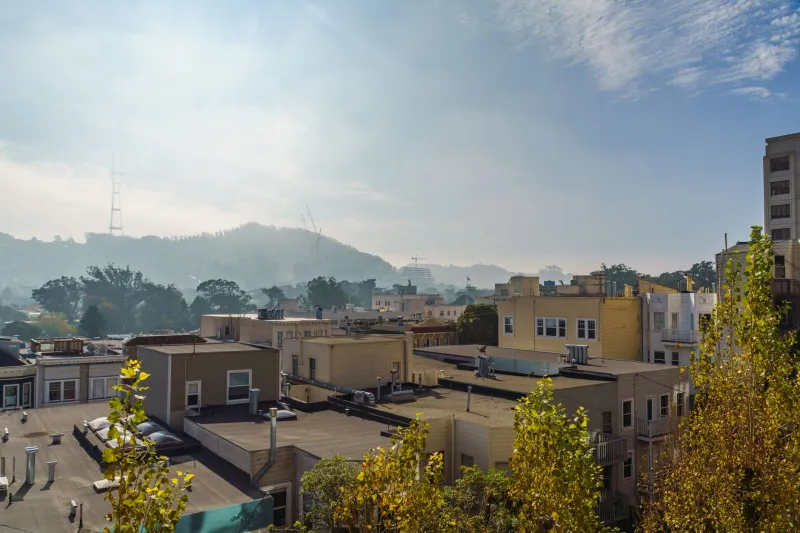
If you've never lived with a marine layer, you can't fully appreciate what it does to an appetite. When the rest of America is grilling in ninety-degree heat, San Franciscans are buttoning their coats and craving something warm, slow, and savory. Our menu doesn't fight that. It celebrates it.
The Chef's Theory of Microclimates
I caught chef Marisol Vega between services, hands still smelling of smoke and bay leaf, to talk about what she calls "cooking for the fog."
"People think seasonal menus are about the calendar," she told me, leaning against our open kitchen pass. "In San Francisco, they're about the sky. Sunset District is twenty degrees colder than the Mission on any given afternoon. Our guests walk in from completely different weather. So we cook for the in-between."
That in-between, for Vega, means dishes with weight but not heaviness. A slow-braised dandelion green and white bean ragout with a soft egg. Pork shoulder that spent eight hours with stone fruit and black pepper. Broths that steam up the windows on a gray afternoon — which, she points out, is free ambiance.
"The fog is the most underrated ingredient in this city," she laughed. "It's why our greens are so sweet. It's why our salt works the way it does. We're just cooking what the weather already made."
Why Fog Is Secretly a Flavor
Here's the science-adjacent part: fog keeps daytime temperatures down, which slows plant growth. Slower growth means denser cells, more concentrated sugars, and greens with actual personality. The dandelion greens we braise in July and August are milder and nuttier than spring's sharp crop — the fog does the mellowing for us.
It also does something to our salt. We work with a small outfit down the coast that harvests sea salt in covered evaporation ponds, and the humid, cool air means a slower crystallization. The result is a flaky salt with a faintly smoky, mineral edge — Vega finishes the braised greens with it and calls it "the fog, concentrated."
Dishes Built for Gray Days
The fog-season menu is our quietest, coziest iteration of the year. A few things you'll find:
- Braised dandelion greens with smoked sea salt, garlic confit, and grilled sourdough from a bakery four blocks away
- Fogline stew — Vega's name for her pork and plum braise, made with stone fruit from a Fog Belt orchard an hour south
- Roasted delicata squash with brown butter, sage, and a splash of apple cider vinegar to cut through the richness
- Warm polenta with a raw dandelion and fennel salad on top, so you get soft and sharp in the same bite
None of these are complicated dishes. That's the point. Fog-season cooking, Vega insists, is about restraint: "When it's gray outside, you don't need a plate that shouts. You need a plate that sits down next to you."
Reservations for the Rain
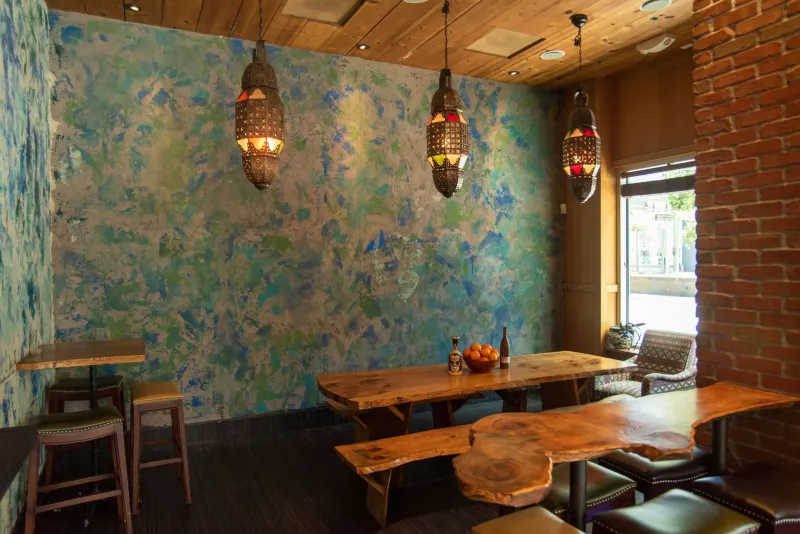
Fog season is also when our dining room feels most like what we always hoped it would — a neighborhood living room with better food. The forty seats fill up earlier, the meals run longer, and nobody is in a hurry to give up their table to a sunny evening.
If you're planning a visit, our reservation drops happen at the start of each month, and fog-season weekends go fast. Follow the neighborhood group chats if you don't believe us.
So yes, pack a layer when you come to San Francisco this summer. But also come hungry. The fog is doing something wonderful to the food, and we'd like to show you what it tastes like.