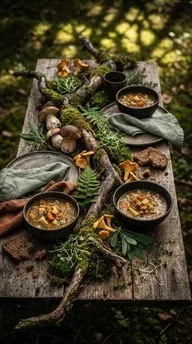
Bitter Is Better: How a Backyard 'Pest' Became Our Most Requested Ingredient
There's a running joke in our kitchen: we named the restaurant after an ingredient most of San Francisco spends its weekends trying to kill. But walk past our prep station on a Tuesday morning and you'll see why the dandelion deserves better. Chef Marisol Vega holds up a bunch of jagged, deep-green leaves like she's presenting a truffle. "People think bitter is a flaw," she says. "Bitter is a flavor with a spine."
The Case for the Bitter Leaf
American palates have been trained toward sweet and salty for decades, which is exactly why dandelion greens feel like a revelation when they show up on a plate. The bitterness — caused by compounds like taraxasterol — behaves like a squeeze of lemon or a pinch of salt: it wakes everything else up.
In our spring menu, that translates to a few signature moves:
- Blanched dandelion greens with warm pancetta vinaigrette — a nod to the Italian puntarelle tradition, where fat and acid soften the edge of the leaf
- Dandelion leaf salsa verde spooned over grilled halibut from Half Moon Bay boats
- Roasted root-and-all vegetables, where the taproot gets treated like a humble cousin of parsley root
The greens we use come from an urban farm in the Outer Sunset that harvests them at dawn, before the sun draws the bitterness up. Timing matters. So does the season — early spring leaves are tender and manageable, while summer's crop will bite back.
From Flower to Cordial
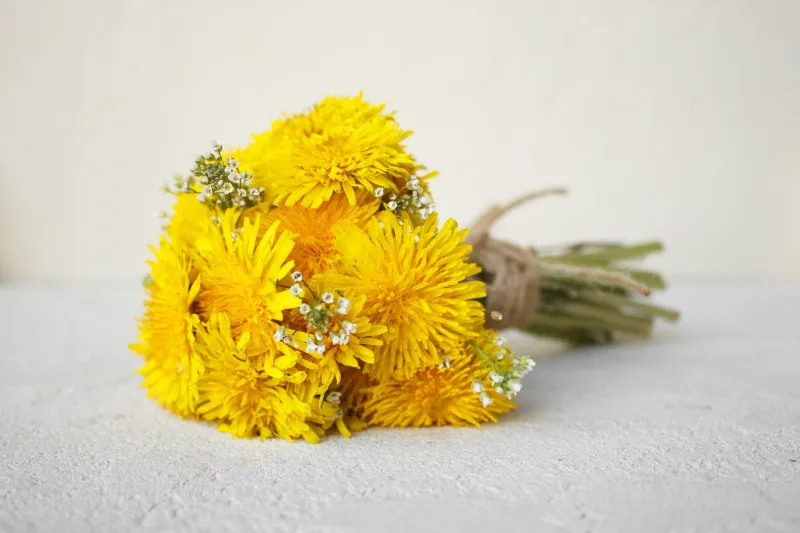
Sous chef Devon Tran runs the beverage program's low-alcohol list, and his dandelion cordial has developed a quiet following. "The petals have this honeyed, almost chamomile thing going on," he explains, pulling a jar of golden infusion from the shelf. "You just have to be patient with them."
His process is simple but slow: petals picked from the green base (which adds unwanted bitterness), steeped in a light simple syrup with a strip of lemon peel, then strained and bottled for two weeks. On the current menu, it's poured over crushed ice with a splash of verjus — bright, floral, faintly old-fashioned in the best way.
Devon's tip for home cooks: pick flowers at midday when they're fully open, and use them within hours. "They close up and get sleepy fast. It's like cooking with a mood."
A Mini-Field Guide for Foraging at Home
If our kitchen has convinced you to look twice at your backyard, here's the short version of what we tell curious guests:
- Location, location, location. Skip lawns treated with herbicides or pesticides, and avoid anything growing next to busy roads. Park edges and community garden beds are your friends.
- Know your plant. True dandelion (Taraxacum officinale) has a single hollow stem with one flower per stem and smooth, toothed leaves. Lookalikes exist — when in doubt, use a field guide or a plant ID app.
- Harvest young. Small leaves before the flower appears are the mildest. Once the plant flowers, expect more bite.
- Cook or dress it. Raw young leaves work in salads; older ones want blanching, sautéing with garlic, or a warm bacon dressing.
- Use the whole plant. Roots can be roasted and ground for a caffeine-free tea; flowers make cordials, fritters, or even dandelion "honey."
California's foraging rules vary by park and jurisdiction, so always check local regulations before harvesting on public land. When in doubt, grow your own — dandelion seeds are widely available and, let's be honest, they're not fussy.
Why It Matters to Us
Dandelion SF was named partly as a joke and partly as a promise: that the overlooked, the local, and the seasonal deserve a seat at the table. A green that grows without invitation, thrives without irrigation, and delivers genuine nutritional value (vitamins A, C, and K, for the record) is about as honest an ingredient as California offers.
Marisol puts it best: "Fine dining taught us to chase rare things. This kitchen is more interested in paying attention. The dandelion was always there. We just decided to taste it."
Come try the spring greens plate before the season turns — and if you forage your own batch this weekend, tag us. We love seeing what the neighborhood's sidewalks are quietly serving.