The Best Ingredient in San Francisco Grows Between Sidewalk Cracks
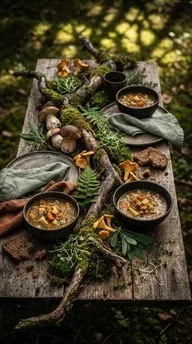
Photo: fresh dandelion greens and wild foraged herbs on rustic wooden kitchen table, via images.stockcake.com
Every restaurant has a mascot. Ours is technically a weed.
It's the plant most people yank out of their lawn on a Saturday morning — and the one we spend all week sautéing, braising, and dressing with lemon and good olive oil. When we named this place Dandelion, we weren't being cute. We were making a promise about how we cook.
A Weed, By Any Other Name
Here's the thing about dandelions: they're not actually undesirable. They're misunderstood. Every part of the plant is edible — bitter greens, honey-sweet petals, roots that roast up like something between chicory and coffee. They grow without asking permission, thrive on neglect, and show up exactly when the season demands something bright and bitter on the plate.
That, in a nutshell, is our whole philosophy. The most resilient, flavorful, interesting ingredients are often the ones nobody bothered to plant.
Chef Marco Ruiz puts it bluntly: "Chefs chase rarity. But some of the best produce in California is growing wild, free, and completely ignored. A dandelion green picked that morning tastes more alive than anything shipped in a box. Why would I order iceberg from three thousand miles away when purslane is literally taking over a vacant lot in the Mission?"
Foraging the Fog Belt
We don't run a foraging operation, but we work with people who do. Isla Chen, a Bay Area forager who supplies our kitchen with wild fennel pollen and miner's lettuce, calls this region "one of the great accidental pantries in America."
"The Gold Rush settlers brought European greens with them, and those plants escaped the garden and never looked back," Isla told us over coffee in the Outer Sunset. "Wild fennel lines whole stretches of coastline. Purslane loves our Mediterranean-ish climate. These aren't rare delicacies — they're abundant. The trick is knowing where to pick safely and harvesting responsibly."
Isla's rules are simple: never forage near roadsides or sprayed land, never take more than a third of what you find, and always get permission on private or park land. "Foraging done right is gardening in reverse," she laughs. "You're thinning, not stripping."
On our spring menu right now, you'll taste her haul: fennel pollen dusted over seared scallops, dandelion greens braised with garlic and chili flakes, and a purslane salad with stone fruit and toasted almonds that's become an unlikely customer favorite.
Bitter Is a Flavor, Not a Flaw
American palates are trained to fear bitterness. We get it — sweetness is easy. But bitter greens are the backbone of some of the world's great cuisines, from Italian puntarelle to Southern poke sallet traditions. And nutritionists will tell you those bitter compounds are often the good stuff.
Dandelion greens, in particular, punch hard: more vitamin A than spinach, more calcium per bite than most leafy greens, and a satisfying snap of bitterness that mellows beautifully with heat, fat, and acid.
A Mini-Guide to Cooking Weeds at Home
Convinced? Here's how to start cooking with wild and underused greens in your own kitchen — no foraging permit required.
1. Buy them first. Many farmers markets in the Bay Area and beyond sell cultivated dandelion greens, purslane, and wild arugula. Start there before you head to a hillside.
2. Blanch the bitterness. If raw dandelion greens taste too aggressive, blanch them for 30 seconds, shock in ice water, then dress. You keep the flavor, lose the bite.
3. Pair fat with bitter. Bacon fat, olive oil, a jammy egg, a shower of pecorino — bitterness loves richness. Our braise of dandelion greens with garlic, anchovy, and chili is basically this principle on a plate.
4. Use purslane raw. This succulent-leaved green is crunchy, slightly lemony, and loaded with omega-3s. Toss it into potato salad or grain bowls. Never cook it to death.
5. Steal the fennel pollen trick. A pinch of wild fennel pollen over roasted vegetables, fish, or pork is the cheapest luxury move in cooking. It tastes like honey and anise had a very well-behaved child.
6. Roast the roots. Cleaned, chopped dandelion roots, roasted and ground, make a genuinely pleasant caffeine-free brew. Add cinnamon. Thank us later.
Why It Matters
Sustainability can feel like a marketing word. For us, it's simpler than that: eat what grows here, eat what grows abundantly, and eat what other people overlook. Invasive plants, by definition, don't need irrigation, pesticides, or air freight. Cooking with them is about as low-impact as fine dining gets.
The dandelion survives everything — mowers, droughts, sidewalk cracks, and centuries of bad PR. There's something very San Francisco about that. A little stubborn, a little scrappy, quietly excellent.
Come taste what we mean. Our seasonal menu changes with whatever the fog, the farms, and the foragers bring us — and reservations are open now on our site. The weeds, as always, are waiting.