We Served the Same Squash for a Month. Here's What Guests Actually Said.
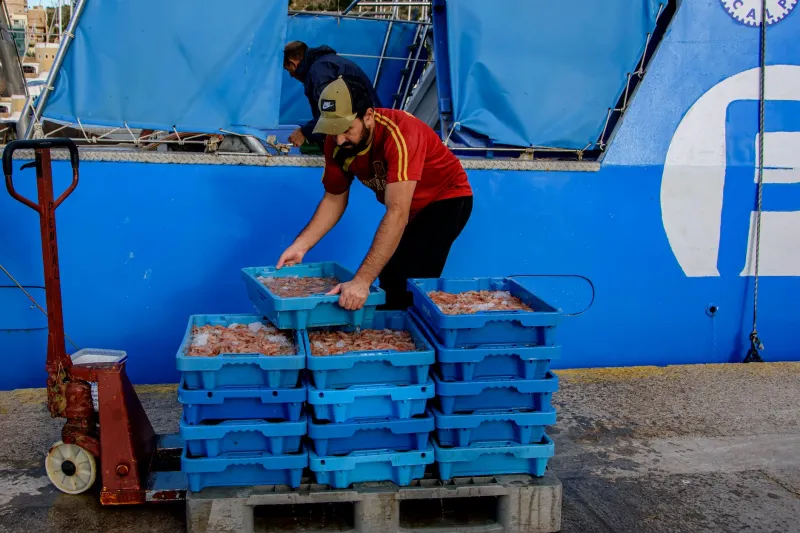
The delivery arrived on a Tuesday, as most inconvenient things do. A farm we work with out in the Capay Valley had a bumper crop of delicata squash, and our usual order had somehow become a small mountain. Not a crisis, exactly. More like a very orange invitation to figure something out.
At Dandelion, we build menus around what is actually available, not what a spreadsheet says should be available. That sounds romantic until the available thing is 400 pounds of delicata and a walk-in that already looks like a autumn still life. We could have tucked the squash into a special here and there. We could have pureed it into soup and called it a day. Instead, we did something that felt slightly reckless: we put delicata on the menu every single night for a month.
The Delivery That Wouldn't Quit
The first week was easy. Roasted delicata with brown butter, sage, and a little smoked salt. Good. Familiar. The kind of plate that makes people close their eyes for a second. By the second week, though, the kitchen started to feel the repetition. Our line cooks knew the squash station by heart. The prep list stopped being a list and became a rhythm. And the menu, which usually changes with the weather and the farm email, stayed stubbornly, proudly orange.
That is where menu fatigue usually sets in. Not with guests, but with cooks. You start to resent the ingredient. You start to think, we have done this. But the farm kept sending squash, and we kept roasting, searing, shaving, and pickling. The constraint did what constraints often do: it made us pay attention.
Repetition as a Recipe Test
When you serve the same ingredient night after night, you cannot hide behind novelty. The first version was good. The fifth version had to be better. The fifteenth version had to justify its existence.
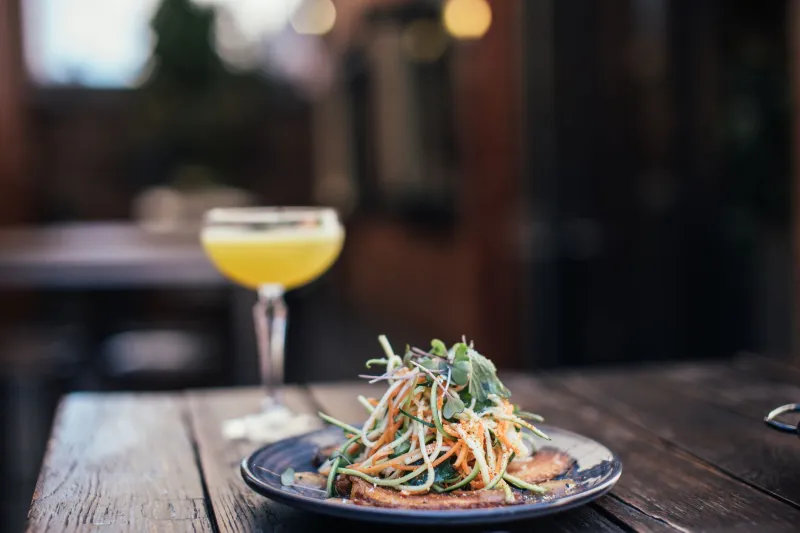
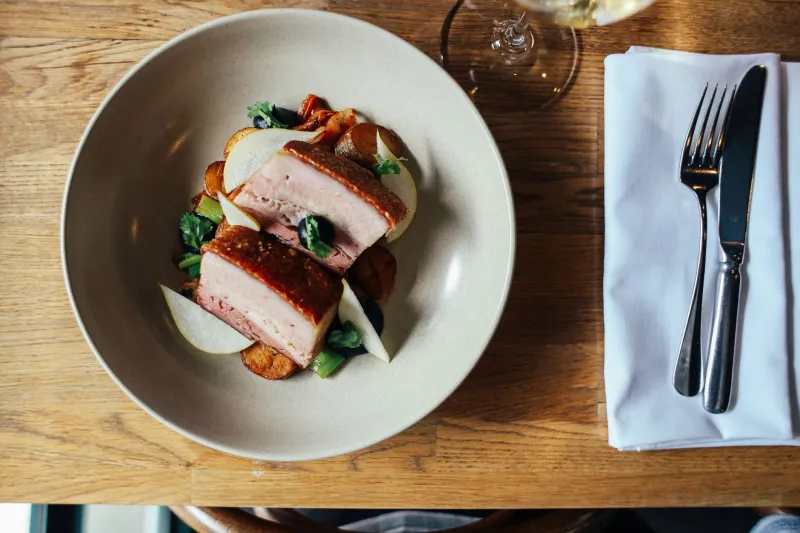
We tried delicata in a warm grain bowl with farro, bitter greens, and a mustardy vinaigrette. We sliced it thin and laid it over labneh with chile crisp and lemon. We roasted it hard until the edges went dark and chewy, then tossed it with dates and walnuts. One night, a cook suggested a delicata agrodolce that sounded odd and tasted excellent. Another night, we folded roasted squash into a savory bread pudding for staff meal and nearly put it on the menu on the spot.
The repetition also forced us to get serious about sourcing. If we were going to serve the same squash for a month, we wanted the rest of the plate to earn its place. We leaned harder on local greens, Bay Area dairy, and herbs from the small garden behind the restaurant. The squash was the constant. Everything around it had to move.
What Guests Noticed (and Didn't)
Here is the part that surprised us. Guests did not seem bored. Some noticed the squash was on the menu every time they came in. A few regulars made a game of it, ordering the delicata dish in a different form each visit and comparing notes at the counter. One couple told us they had booked a second reservation in October specifically because they wanted to try whichever version was next.
Other guests noticed nothing at all. They ordered the squash, ate it, and moved on. That sounds like a small thing, but it was clarifying. A menu does not have to announce its own cleverness. Sometimes the best thing a restaurant can do is make a seasonal ingredient feel inevitable rather than performative.
We also learned that menu fatigue is often a kitchen problem disguised as a guest problem. The team gets tired of an ingredient long before the dining room does. Guests come in once a week, or once a month. We see the squash every day. That gap matters.
The Case for Staying Put
San Francisco is a city that rewards novelty. There is always a new pop-up, a new tasting menu, a new ingredient someone has flown in from somewhere. We love that energy. But seasonal cooking is not only about constant change. Sometimes it is about staying with one thing until it is gone.
Delicata has a short window. It shows up in early fall, peaks when the fog finally breaks, and starts to fade as the holidays take over. Serving it for a month was not a stunt. It was a way of honoring the fact that this squash was here, in quantity, right now. The menu did not need to chase a dozen ideas. It needed to be honest about what the farm had given us.
By the end of the month, we had a small archive of delicata preparations. Some were keepers. Some were lessons. The one we will bring back next season is the simplest: roasted delicata with brown butter, sage, and a squeeze of lemon, finished with toasted pepitas. It is the version we started with, which feels right. Repetition did not make it boring. It made us better at it.
What We'll Do Next Time
We will probably not plan another month of the same squash. But we will stop treating a surplus like a problem to hide in the specials section. When the farm calls with too much of something, we will ask a different question: what would happen if we just leaned in?
For guests, that might mean seeing the same ingredient in a few different forms across a few weeks. For the kitchen, it means trusting that repetition can be a creative tool, not a failure of imagination. And for the reservation book, it means giving people something to come back for, even if it is just a squash they have already met.
Delicata season is winding down now. The walk-in has room again. The menu is moving on. But we are still talking about that month, and about the quiet lesson it left behind: sometimes the most seasonal thing you can do is serve the same ingredient until it disappears.