The Bowl That Keeps Our Books Honest
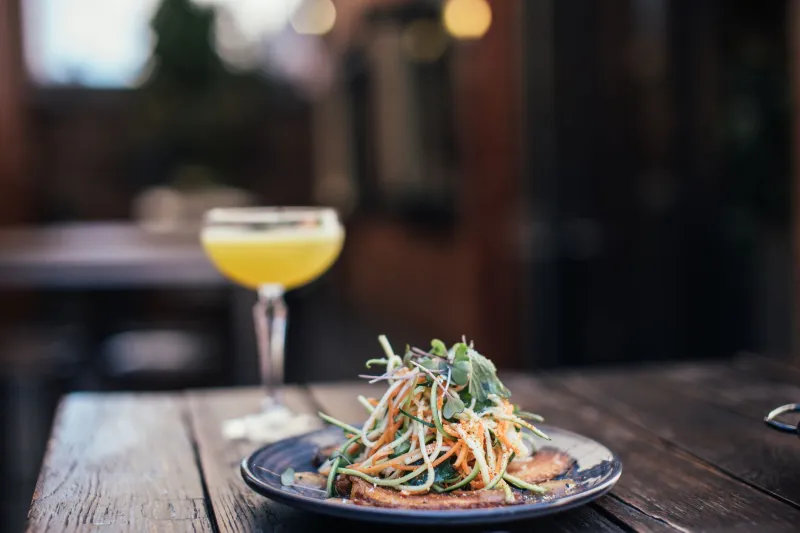
Every restaurant has a dish that starts arguments. Ours is a bowl of greens. It arrives with charred stems, a handful of raw leaves, a spoonful of something tangy, and a price that makes people look twice. Twenty-four dollars. For vegetables. In San Francisco. I understand the pause.
People assume the number is a stunt. It is not. The bowl is the clearest example of how we price everything at Dandelion: start with what the farm needs, add what the kitchen actually spends, and leave enough room for the lights to stay on. Follow it for one week and the math stops being abstract.
Monday: The Order Before the Order
We do not order greens. We order a set of conditions. This week the bowl is built from three small farms: Ragged Branch Farm in Sonoma for the tender leaves, Oyster Creek Greens near Pescadero for the bitter, saline stuff, and Sun Trail Farm in Capay Valley for the stems and roots that give the plate its spine. Each farm grows in a different pocket of weather. Each one harvests to order.
That last part matters. We commit to quantities before we know exactly what the fog will do. A case of greens is not just a case of greens. It is a harvest window, a wash station, a driver, and a compost bucket. By the time a leaf reaches our walk-in, it has been picked by hand, cooled, packed, and driven through whatever the bridge is doing. That is before our prep cook touches it.
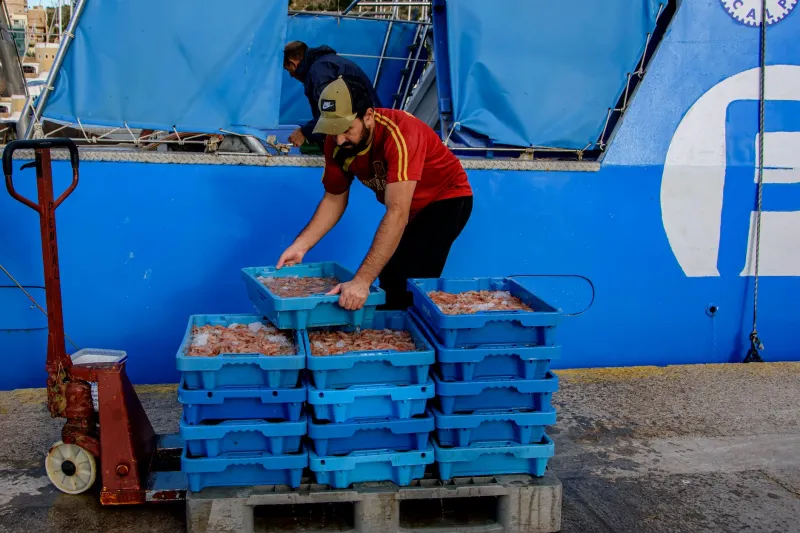
Small farms cannot spread costs across thousands of cases. A single pallet of greens from a large distributor is cheaper per pound because the volume is enormous. Our farms pick in smaller batches and charge what they need to pay their crews. We could buy cheaper greens. We have. The bowl would be fine. It would not be worth arguing about.
Wednesday: The Trim Bin Is Part of the Recipe
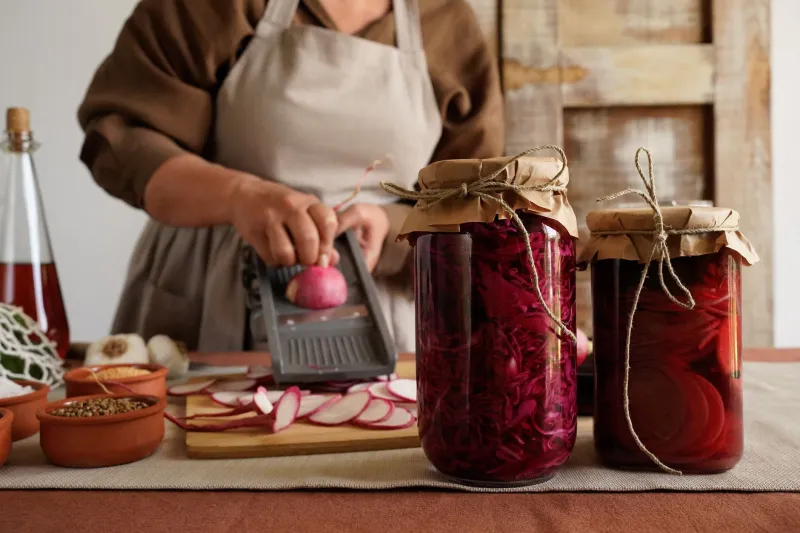
On Wednesday morning the kitchen looks less like a restaurant and more like a sorting table. We wash three times, spin, pick, and sort. Some leaves are too tough for the raw side but perfect for the charred side. Stems get shaved or pickled. The trim bin is not a failure. It is a forecast.
By the time the bowl is built, we have lost volume. A pound of farm greens does not become a pound of plate greens. So the $24 is not paying for a pile of leaves. It is paying for the leaves that made it, the ones that did not, and the hands that decided which was which.
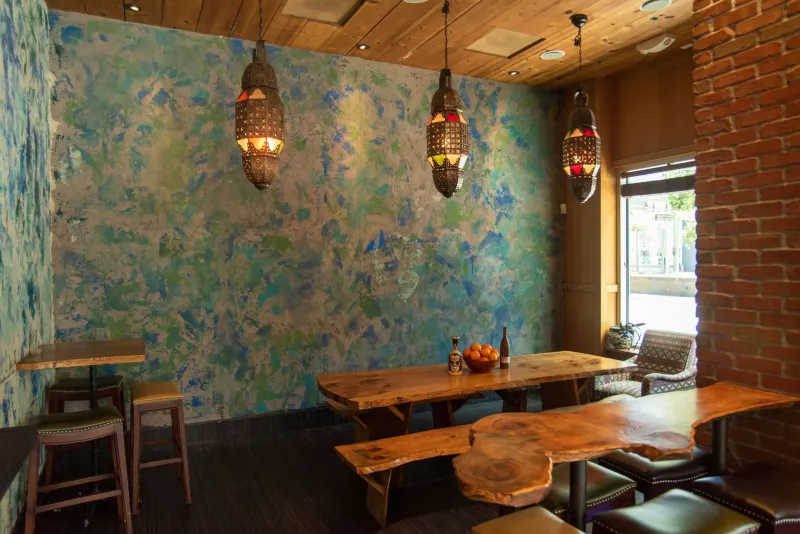
Then there is the dressing. Toasted almonds, a little sherry vinegar, olive oil, and salt. Nothing precious. But it takes time to toast, cool, and blend. The plate also gets pickled stems and a dusting of dried dandelion root. Add dishwashing, linen, rent, reservation software, and the fact that a forty-seat room has to make its numbers in a few hours. The bowl is not an indulgence. It is a negotiation.
Friday: The Room Has Opinions
Friday night is when the bowl meets its audience. Some guests order it because it sounds healthy. Some order it to prove a point. A few order it because they had it last week and cannot stop thinking about the pickled stems.
One couple asks if the price is a typo. A server explains that it is a seasonal plate from three farms. They order the steak instead. Ten minutes later they ask for a bite. That is the usual arc.
Here is the part that still surprises people: the bowl outsells the steak. Not every night, and not by revenue. By volume. It is the plate that moves first when the menu changes and the one guests ask about before they sit down. It is not because our guests are cheap. It is because the bowl changes. The steak is a promise of consistency. The greens are a report from the week.
We do not hide the price or apologize for it. We also do not pretend it is cheap to make. When a guest asks why local food costs more, I tell them the truth: because the farms are small, the harvest is hand-picked, and the city is expensive. Then I shut up and let them eat.
The Price of Knowing Your Farmer
The $24 bowl taught us how to price a restaurant. Not by chasing the lowest cost per pound, but by asking what each ingredient is doing and who is doing the work. It is not a moral victory. It is a menu decision that keeps the books honest and the walk-in full of things we actually want to cook.
Would we sell more if it were $18? Maybe. Would we still be able to source from three farms, pay our prep team for the trim work, and serve something that tastes like this particular week in the Bay Area? Probably not.
So the bowl stays. It is the first thing we check when the seasons shift and the last thing we cut when costs move. On a foggy Tuesday it tastes like seaweed and lemon. By Saturday it tastes like sunshine and dirt. Same price. Different week. That is the point.